
T-Mobile layoffs? A step-by-step guide for telecom job seekers: update your resume, network, and target roles now.
Introduction
In recent weeks, T-Mobile has expanded its layoffs across the tech and telecom sectors, adding another wave of cuts to a year already marked by significant downsizing. These reductions are tracked in the Fierce Network layoff tracker, which catalogs some of the most impactful mass layoffs in technology and telecommunications. For job seekers, especially those in telecom, broadband, and adjacent IT roles, this signals a sober reality: workforce contraction is no longer a sporadic event—it’s becoming systematic.
While headlines focus on the scale of cuts, they often fail to address the deeper implications: competition for fewer roles, shifts in hiring priorities, and subtle changes in candidate evaluation during interviews. Understanding these shifts and adapting quickly is essential for anyone navigating this volatile job market.
---
What the T-Mobile Layoffs Actually Mean
These layoffs are not isolated. They are part of a broader restructuring happening across telecom providers and tech-driven communications firms. The reasons include:
- Cost realignment in preparation for economic uncertainty.
- Automation and AI adoption in network operations and customer service.
- Shifting product focus, with investment moving toward high-margin offerings (like enterprise 5G solutions) instead of high-maintenance legacy services.
For job seekers, this means two things:
1. Roles tied to legacy infrastructure are increasingly vulnerable.
2. Recruiters will be more selective, often prioritizing candidates with hybrid technical-business skills.
It’s also worth noting that hiring criteria change rapidly during periods of downsizing: companies lean toward candidates who demonstrate adaptability, cross-functional knowledge, and proven capacity to thrive in lean teams.
---
How This Impacts Job Seekers Right Now
If you’re in telecom, broadband engineering, or enterprise tech sales, expect:
- Longer hiring timelines: Companies may post fewer openings and take more time to select candidates.
- More intense interviews: Expect multi-phase assessments combining behavioral, technical, and scenario-based questioning.
- Higher bar for demonstrating value: Hiring managers want evidence that you can directly contribute to revenue or efficiency.
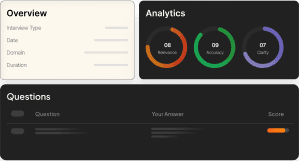
The increased competition means being one of the top candidates from the first contact is crucial. Tools that offer real-time interview support—like Verve AI Interview Copilot—can help maintain composure and relevance during high-stakes conversations.
---
The Mistakes Candidates Often Make During Layoff Cycles
During periods like this, job seekers frequently make tactical errors that cost them opportunities, including:
1. Applying to every vaguely relevant posting without tailoring applications.
2. Neglecting modern interview formats, such as AI-based screening.
3. Demonstrating only core technical skills without connecting them to business outcomes.
Given that tools like Mercor AI and other virtual screening processes are becoming common in telecom hiring, candidates must prepare to handle both human and AI-driven evaluations seamlessly.
---
Signals That Matter More Post-Layoff
After large-scale layoffs, employers look for specific signals:
- Resilience under pressure
- Hybrid skill sets: technical + analytics + client-facing capabilities.
- Evidence of prior efficiency gains in roles.
- Quick learning and adaptability
In an interview, demonstrating these is not just about telling stories—it’s about handling responses with precision and confidence. Practicing with a system that supports handling live technical questions—such as Verve AI Interview Copilot—can significantly improve your ability to deliver concise, impactful answers.
---
Practical Actions for Telecom Job Seekers
Research Hiring Trends
Analyze postings in your target companies. Look for patterns in skills requested beyond job title.
Tighten Your Resume
Stress transferrable skills, results, and adaptability.
Prepare for Complex Interviews
Expect blended formats:
- Behavioral interviews
- Technical problem-solving
- Case-based discussions involving telecom market trends
Simulate Interviews Under Real Conditions
Using tools that allow simulated, timed sessions—including AI screening—can help identify weaknesses. This is where Verve AI’s capability for staying composed during behavioral interviews (link) becomes critical.
---
Long-Term Preparation Strategy in a Contracting Telecom Market
Layoffs are cyclical, but during extended contraction, the winners are those who:
- Invest consistently in cross-domain skills
- Stay informed about industry shifts
- Maintain readiness for unexpected opportunities
Continuous improvement is essential—not only upskilling but ensuring interview performance is sharp year-round. Even when not actively searching, practicing with platforms that mimic real interviewer dynamics strengthens confidence and readiness.
---
Conclusion
T-Mobile’s latest layoffs are a reminder that no role in telecom is entirely secure. The companies that remain will keep hiring, but on stricter terms. The interview process will be more demanding, the job market more competitive. Job seekers who adapt fast, align skills to emerging needs, and leverage intelligent preparation tools will stand out when opportunities appear.
With deliberate practice, the right signals, and armed with AI-driven preparation support, you can navigate this tough hiring cycle and position yourself strongly for the next career step.
---
FAQ
1. Will telecom hiring freeze completely after these layoffs? No. Companies still need talent, especially for emerging 5G, enterprise services, and infrastructure automation. Hiring will be slower and more selective.
2. How do AI screenings affect my interview preparation? They require concise, keyword-rich responses and confidence under timed conditions. Preparing with AI-simulated interviews is critical.
3. Are technical roles safer than customer-facing roles? Not necessarily. Roles tied to outdated technologies are vulnerable. Customer-facing roles that help drive revenue may be prioritized.
4. How can I adapt my resume for post-layoff hiring? Highlight resilience, cross-functional experience, and direct business impact from your work.
5. Is networking still effective during a hiring slowdown? Yes. Personal connections can bypass crowded applicant pools and give you early access to unlisted opportunities.
Sarah Durham
Career Strategist


