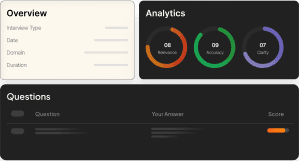

Understand what 'C atomic' means, why it matters in technical interviews, phone calls, and college panels.
Why "c atomic" matters: it’s a practical framework for delivering clear, concise, and credible answers in high‑stakes conversations. This post turns theory into interview-ready scripts, drills, and checklists so you can communicate like you mean it.
What is c atomic communication and how does it work
"c atomic" frames communication as atomic units — short, indivisible sentences that carry one idea each. Think of an atomic sentence in logic: simple, self-contained, and unambiguous. In practice, c atomic combines that formal clarity with the proven 7 C's of Communication (Clarity, Conciseness, Completeness, Concreteness, Courtesy, Consideration, Correctness) so every line you speak or write earns credibility and reduces ambiguity Slideshare on the 7 C's Indeed overview of the 7 C's.
Core properties of c atomic:
- One idea per sentence: no multitasking in a single line.
- Measurable facts and outcomes: numbers, timelines, concrete verbs.
- Visible and accountable: like a CC in email, make stakeholders and context explicit what CC email means.
- Audience-focused: tailor the atom to the listener’s priorities (time, role, knowledge).
Use c atomic to turn fuzzy answers into sharp claims that are easy to evaluate and hard to misinterpret.
Why does c atomic win interviews and calls
High‑stakes decisions — hiring, admissions, sales — rely heavily on perceived source credibility and clarity. Classic research shows that credibility (trustworthiness and expertise) strongly influences persuasion and decision making; clear, concrete statements support that perception Hovland & Weiss 1951 on source credibility.
c atomic wins because:
- It increases perceived competence: concise facts feel knowledgeable.
- It reduces cognitive load: a recruiter or panel can hold one idea at a time.
- It prevents misinterpretation: concrete outcomes beat vague claims.
- It speeds decision cycles: interviewers can quickly map claims to qualifications and follow up when needed.
In short, c atomic turns answers into evidence. That is persuasive in hiring committees, admissions panels, and buyer conversations.
What are common pitfalls in high stakes talks when applying c atomic
Even with the c atomic mindset, candidates often make avoidable mistakes that dilute impact:
- Wordiness and rambling: long answers bury the core claim and lose the listener within 20–30 seconds. Concision is part of the 7 C's and critical in c atomic Indeed 7 C's.
- Overuse of jargon: technical terms confuse non‑expert stakeholders. Clarity and consideration demand plain language.
- Vague claims without metrics: "I led teams" versus "Led cross‑functional team of 8; delivered product two weeks early, increasing revenue 15%."
- Ignoring the listener’s needs: failing to tailor examples to the company, role, or interviewer reduces relevance.
- Hiding context: not naming stakeholders, timelines, or constraints makes the claim unverifiable — like forgetting to CC important recipients in email CC analogy.
- One‑off delivery without reinforcement: messages not repeated or recapped rarely stick; repetition with variation (echoing benefits + fact) helps retention.
Recognize these pitfalls as opposite signs of c atomic practice. Each one maps to a specific C in the 7 C's checklist below.
How do I master the 7 C's for c atomic responses
Treat the 7 C's as a checklist for every atomic sentence you craft. Below are actionable rules and interview examples.
7 C's checklist (practical rules and fixes) | C | Quick rule | Example fix | |---|---:|---| | Clear | One idea per sentence; use plain words | Replace "utilize" with "use" | | Concise | Aim for <30 words per answer chunk | Trim "In my role I was responsible for..." → "Managed Q1 sales" | | Complete | Answer who/what/when/how/why | Add the metric: "Grew revenue by 25% in 6 months" | | Concrete | Use facts, numbers, and names | "Closed 50 deals" vs. "Did well in sales" | | Courteous | Mirror tone; thank or acknowledge the question | "Great question — here's a quick example" | | Considerate | Tailor to the interviewer's priorities | "As a startup, you value speed — I shipped MVP in 4 weeks" | | Correct | Fact‑check and rehearse aloud | Rehearse with mock interviews and fix inconsistencies |
Practice tip: For every example you prepare, write three atomic sentences that a panel could quote back. If they can quote it, it’s c atomic.
Example: behavioral question Q: Tell me about a time you improved a process. Atomic responses:
1. "I led a team of four to audit our onboarding workflow over six weeks." (Clear, Concrete)
2. "I removed three redundant approval steps and automated two reports." (Concise, Concrete)
3. "We cut onboarding time from 14 to 6 days, boosting retention by 8% in three months." (Complete, Correct)
Each sentence is an atomic claim that can be followed up or challenged independently.
What actionable practice drills build c atomic skills
Turn theory into performance with targeted drills and templates.
Atomic Response Formula (Subject + Specific Fact + Outcome)
- Template: [Subject] + [Specific fact or action] + [Outcome or metric].
- Example: "Led cross‑functional team of 8; delivered product 15% under budget; reduced time‑to‑market by 2 weeks."
Practice drills
- STAR Atomic: Break STAR into four atomic sentences — one for Situation, one for Task, one for Action (one or two sentences max), one for Result (quantified). Time each answer to <90 seconds.
- 30/60/90 Drill: Prepare three versions of each example: 30‑second pitch (atomic essence), 60‑second version (add one concrete fact), 90‑second detailed atomic version (two or three atomic sentences).
- Echo & Check: In sales/stakeholder calls, practice echoing need + atomic proof + verification: "You need X — my solution delivered Y in Z months. Is that what you mean?"
- CC Recap Drill: After a mock interview, write a short follow‑up email that CC's key points and stakeholders. This enforces visibility and accountability what CC email means.
Scoring and feedback
- Score each atomic sentence 1–5 on the 7 C's after practice calls.
- Record and transcribe a mock interview to spot long sentences and unnecessary clauses.
- Peer feedback: ask a partner to summarize your answer in one sentence. If they fail, collapse the answer.
Quick wins
- Use analogies sparingly to make a single atomic point memorable: "Like Lego bricks — build one solid piece at a time."
- Time yourself: aim for the main claim within 15–20 seconds.
- Replace filler starters: "In my role, I was responsible for..." → "Managed Q1 sales."
Can c atomic produce real world wins in interviews and sales
Yes. Real decisions favor clear, verifiable claims. Here are anonymized mini case studies demonstrating c atomic in action.
Case study 1 — Job interview (product manager)
- Problem: Candidate rambling about "ownership" and vague metrics.
- c atomic fix: Rewritten answer: "Led a team of five to launch feature X in 6 weeks; feature increased DAU by 12% and reduced churn by 3%."
- Outcome: Interviewer followed up on verification details, which led to a stronger offer conversation focused on measurable impact.
Case study 2 — Sales discovery call
- Problem: Sales rep used technical jargon; buyer lost interest.
- c atomic fix: Rep opened with: "You need faster reporting — our solution cut report time from 2 hours to 10 minutes in pilot with Acme."
- Outcome: Buyer asked for a trial; decision moved from informational to transactional.
Case study 3 — College interview
- Problem: Applicant spoke broadly about leadership without specifics.
- c atomic fix: "Elected STEM club president; organized 6 workshops; attendance grew 40% and three projects won regional awards."
- Outcome: Interviewer connected these facts to campus contribution and wrote a positive note.
Each win traces to source credibility and clarity: interviewers and buyers can verify concrete claims and therefore trust them more Hovland & Weiss credibility.
How Can Verve AI Copilot Help You With c atomic
Verve AI Interview Copilot speeds c atomic mastery by converting long answers into atomic sentences, simulating realistic interviewers, and scoring responses against the 7 C's. Use Verve AI Interview Copilot to rehearse 30/60/90 variants, get instant feedback on clarity and concreteness, and produce follow‑up email recaps you can copy. Verve AI Interview Copilot provides role‑specific drills, records sessions, and recommends targeted edits so your real interviews become more concise and credible. Learn more at https://vervecopilot.com
How do I start using c atomic today
A simple 5‑step starter plan you can use now:
1. Choose 6 core stories you’ll use in interviews (leadership, challenge, failure, success, teamwork, technical skill).
2. Write each story as 3 atomic sentences using the Atomic Response Formula.
3. Time and rehearse the 30/60/90 versions; record at least two mock sessions.
4. Use the 7 C's checklist to edit each sentence once per day for three days.
5. After each real interview or call, send a 1–3 sentence CC‑style recap to reinforce key facts and next steps.
Example recap (CC‑style)
- "Thanks for the conversation today — I led the pilot that cut report time from 2 hours to 10 minutes and would be happy to set up a demo next week. Best, [Name]"
That recap is c atomic: short, concrete, visible, and accountable.
What are recommended sources to deepen c atomic skills
- 7 C's of Communication overview and examples for practical editing and clarity Slideshare Indeed guide.
- CC email and visibility analogies to keep stakeholders explicit atomicmail.
- Formal logic for the atomic sentence idea (useful for precise thought and expression) Fiveable on atomic sentences.
- Research on credibility and persuasion to understand why concreteness matters Hovland & Weiss 1951.
Use these to practice editing and to understand the psychology behind decision making.
Final takeaway
- c atomic is not a style fad — it’s an evidence‑driven way to make your words count. Build the habit of one idea per sentence, back every claim with a fact or outcome, tailor to your listener, and make your communication visible and verifiable. Practice with the drills above and you’ll notice panels and buyers asking faster, more focused follow‑ups — a clear sign your credibility just improved.
Kevin Durand
Career Strategist


